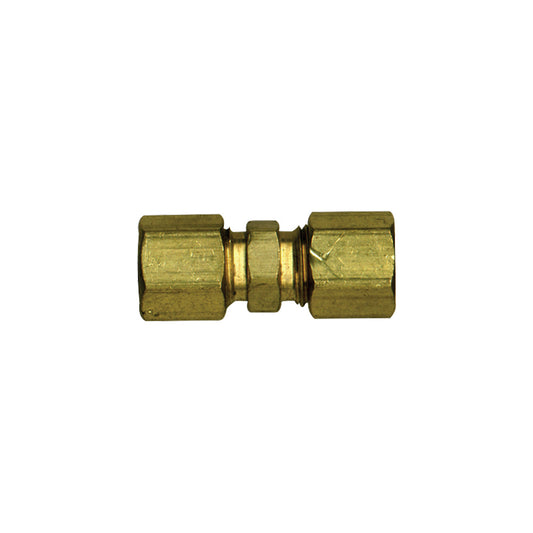
33 products

Questions about Fuel Lines & Fittings

Can I use a rubber splice joiner on a steel fuel line?

No. Rubber splice joiners are designed for flexible rubber or nylon fuel line only. Steel hard lines require steel fittings with compression or flare connections. Using a rubber splice on steel will not create a reliable seal.

How often should fuel line O-rings be replaced?

Replace the O-ring any time a fuel fitting is disconnected. Even one heat cycle compresses an O-ring enough that it should not be reused as the primary seal in a pressurized fuel circuit.

What fuel hose fittings are compatible with E85?

Fittings and line materials specifically rated for alcohol fuels - Viton O-rings, nylon line, and steel fittings - are generally compatible with E85. Standard rubber O-rings and some rubber hose formulations will swell and degrade in ethanol-heavy fuel blends.

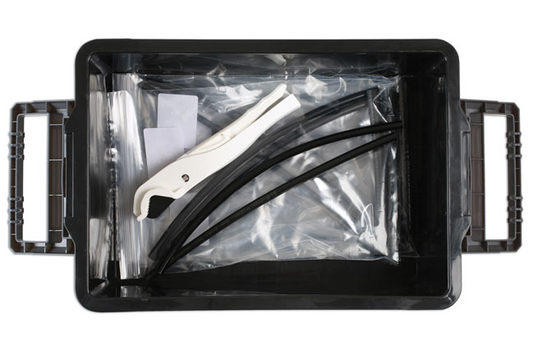
What is included in the 86-piece fuel line repair assortment?

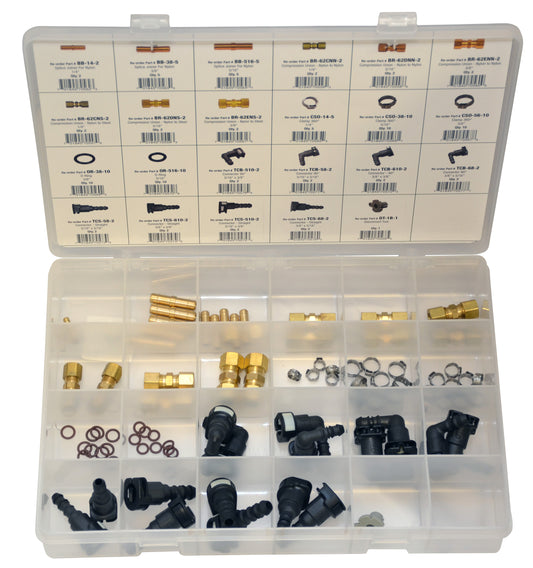
The Shop Saver Express Fuel Line Repair Parts Assortment includes 86 pieces covering the most common fuel line repair fittings across domestic and import vehicle applications, designed for professional shop use.

What is the difference between a quick disconnect and a quick connector fuel line?

A quick disconnect is a locking push-fit connector for tool-free service access. A quick connector bridges two different line materials - such as nylon to steel - where the OEM connector has degraded. Both use a push-connect mechanism but serve different repair functions.

Connectors

Can Viton O-rings be used with ethanol-blended fuel?

Yes - Viton (fluoroelastomer) O-rings are specifically recommended for ethanol-blended fuels, including E10, E15, and E85. Standard rubber O-rings can swell and lose sealing integrity with prolonged ethanol exposure, which is why Viton is the correct specification for fuel system O-ring replacement.

How do I confirm a quick-disconnect fuel fitting is properly installed?

Push the fitting fully onto the nipple until you hear a click. Then apply a firm pull-back test of 15 to 30 lbs of force. If the fitting does not move, the internal retainer is engaged correctly. Visual inspection of fitting windows (where present) should show the retainer tabs and tube shoulder seated in position.

What is the difference between a 5/16" and 3/8" fuel line?

These measurements refer to the outer diameter of the fuel tubing. 5/16" (approximately 8mm) is commonly used on return lines and older applications. 3/8" (approximately 9.5mm) is the standard main supply line diameter on most domestic vehicles. Always measure the existing line before ordering replacement components.

What types of fuel line connectors are available for DIY repair?

The main types are quick disconnect fittings, quick connector assemblies (for nylon-to-steel transitions), splice joiners, compression unions, and pre-assembled repair lines. Selection depends on line material (nylon or steel), line diameter (typically 1/4", 5/16", or 3/8"), and the geometry needed (straight or 90-degree).

Repair Assortment Kits

Are nylon fuel lines safe for ethanol blends?

Yes, with the right grade. Standard nylon tubing is compatible with gasoline and E10. For E15, E85 or higher ethanol content, use tubing and O-rings rated for high-ethanol fuel. Viton O-rings in quality fittings are rated for ethanol exposure.

Are steel fuel line repair kits safe for fuel-injected vehicles?

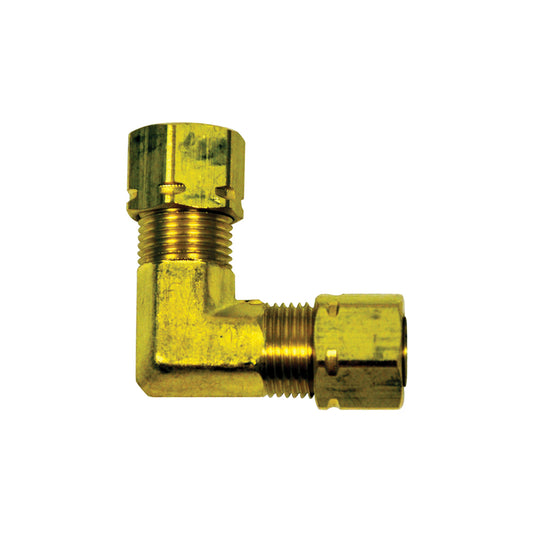
Yes. Steel lines with compression or flared fittings are standard OEM practice on fuel-injected vehicles. Kits with RoHS yellow zinc coating add corrosion resistance without affecting pressure integrity.

Can I repair a fuel line without replacing the whole line?

Yes. Splice joiners, quick-connect fittings, and repair line sections allow you to replace only the damaged segment. You do not need to replace the entire fuel line run in most cases.

Can I use a 5/16” fuel line repair kit on a fuel-injected vehicle?

Yes, if the original fuel line is 5/16" in diameter. Verify your OEM specification before purchasing. High-pressure EFI primary feed lines are more commonly 3/8".

Can rubber splice joiners be used on high-pressure fuel lines?

No. Rubber splice joiners are rated for low-pressure return and vacuum applications only. High-pressure feed lines require nylon or steel fittings rated for 40-80 PSI injection pressures.

How long does a fuel line repair last?

A properly installed fuel line repair using rated components should last the remaining service life of the vehicle. Premature failure is almost always caused by incorrect sizing, incompatible materials, or skipping the post-repair pressure check.

How often should fuel lines be inspected on older vehicles?

Vehicles over ten years old should have accessible fuel lines inspected at every oil change. Look for surface rust, cracking at bends, discoloration, and any fuel weeping at connection points.

What are Viton O-rings and why do they matter?

Viton is a fluoroelastomer compound resistant to petroleum fuels, ethanol blends, and high heat. It outperforms standard nitrile rubber O-rings in fuel system applications and should be used when rebuilding any fuel fitting connection.

What is a 5/16” fuel line repair kit used for?

A 5/16 inch fuel line repair kit is used to replace or splice damaged sections of 5/16" diameter fuel lines, the standard size found on most carbureted engines and low-pressure EFI return lines.

What is a quick disconnect fuel line fitting?

A quick disconnect - also called a push-lock or push-to-connect fitting - is a factory-style connector that locks onto a barbed or tube end without tools. It is the most common fuel line connection type on domestic vehicles built after 1990.

What is included in a fuel line repair kit?

A complete kit includes a coil of replacement nylon fuel line, commonly 25 feet, in 5/16" or 3/8", plus straight and 90-degree quick disconnect fittings, nylon-to-steel adapters, splice joiners, compression clamps and O-rings. That covers a full repair without extra parts, and costs less than buying the components individually for shops that handle regular fuel system work.

Do I need a 5/16" or 3/8" fuel line repair kit?

Measure the outside diameter of the existing line with a caliper before ordering. A 5/16" line measures about 0.3125 inches and is common on compact cars, older domestic vehicles, carbureted engines, return lines and secondary circuits. A 3/8" line is common on domestic trucks and SUVs and on high-pressure EFI feed lines. Pick the kit that matches the measured line so the fittings seal.

Collection: Fuel Lines & Fittings

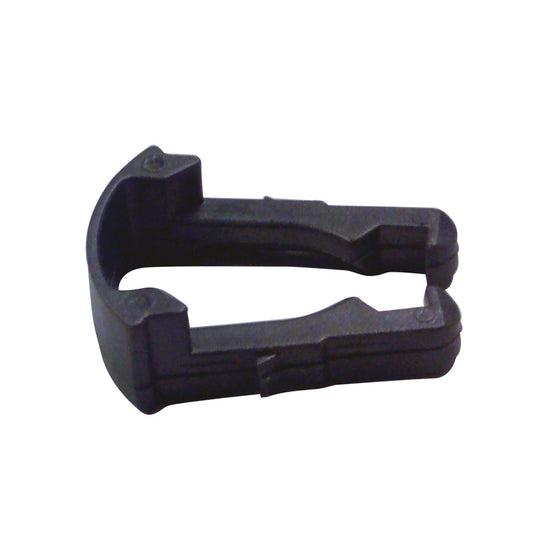
Fuel system repair supply for professional service shops. Steel and nylon fuel line coils, compression unions, repair connectors, retainer clips, quick-disconnect tools, fuel injection hose clamps, and repair assortment kits from Dynamic brand.

Fuel_line_fittings